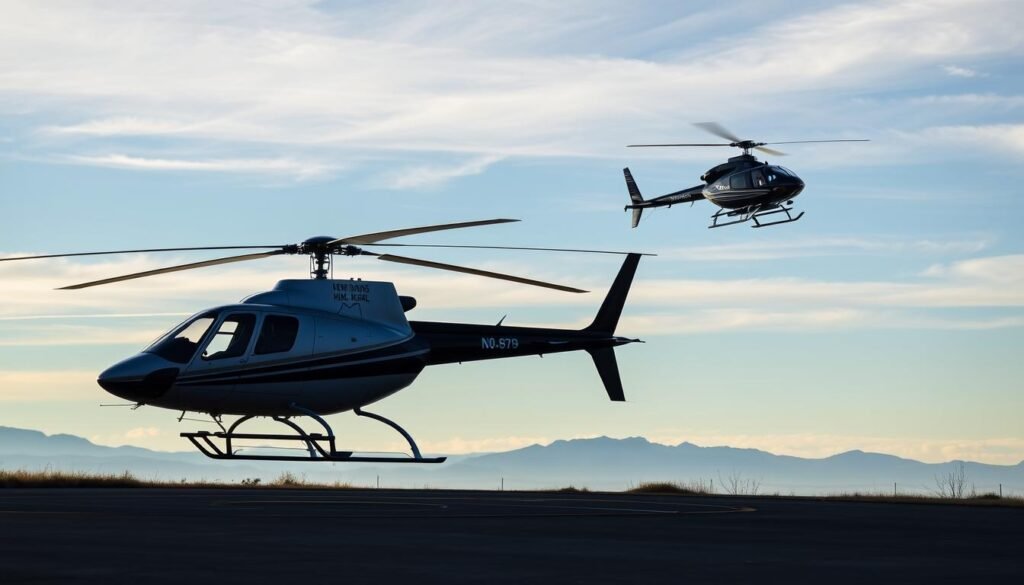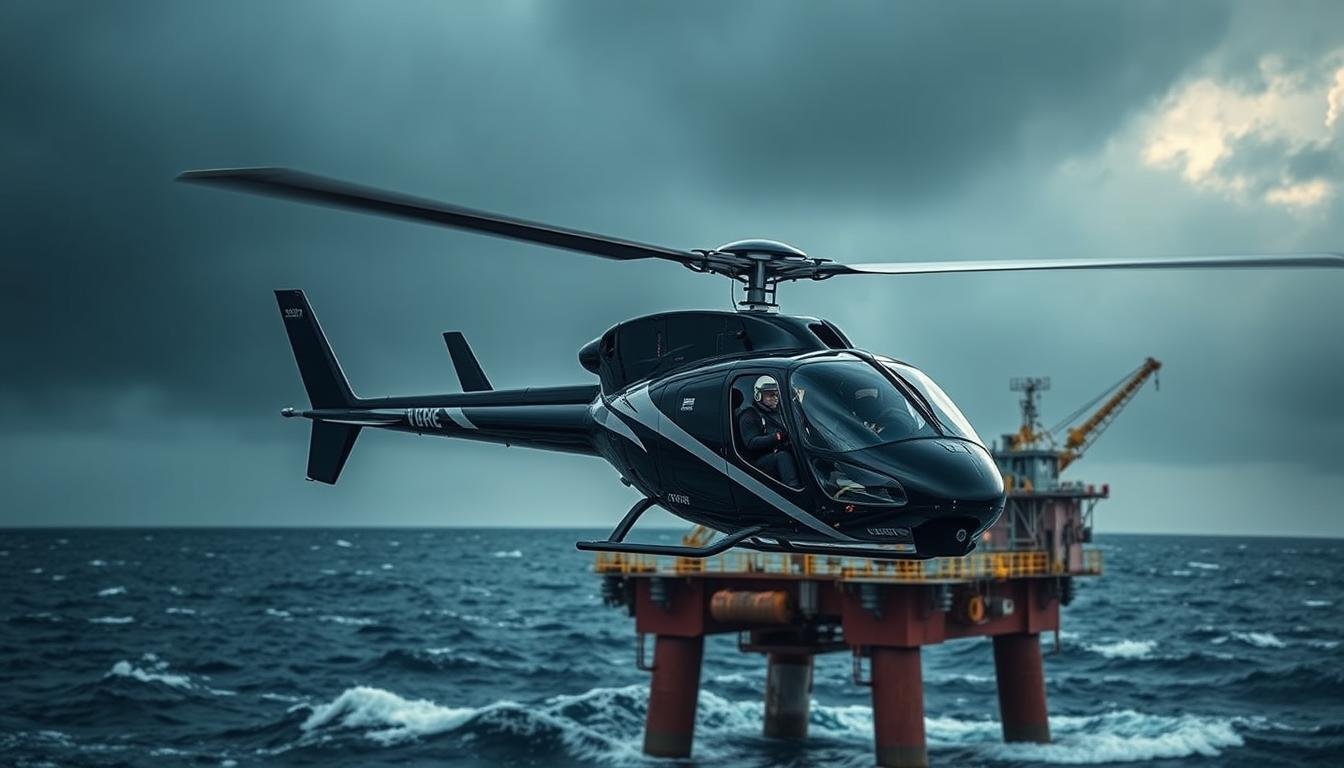
Nearly one in four energy flights carry crews more than 100 miles out to sea, a scale few land-based aviators see.
The guide outlines how the aviation industry hires, trains, and deploys rotorcraft professionals for service over water in the United States. It explains licensing pathways, multi-crew procedures, and the instruments that define safe offshore operations.
Readers gain clear knowledge about what employers look for, where demand is strongest, and how these roles fit within the global world of oil and gas activity. It also previews the application journey, from resume tips to simulator assessments and technical interviews.
The content compares related roles and summarizes pay bands, duty patterns, and fatigue management that shape daily life. For a practical field reference, see further details at this specialist overview.
Key Takeaways
- Overview of hiring, training, and operational norms in the U.S. aviation sector.
- Clear path from entry qualifications to command roles and mentorship.
- Safety culture, instruments, and multi-crew procedures that enable reliable service.
- Work rhythms, duty limits, and fatigue controls that shape job life.
- How related roles compare for career planning and skill development.
Why Offshore Helicopter Pilot Careers Matter Today
Crew and cargo transfers across coastal routes form a backbone function for many energy operators in the United States. These aerial links keep maintenance, logistics, and emergency response moving in a demanding marine environment.
The role blends strict aviation standards with mission-driven work. It creates a clear opportunity for professional growth and multi-crew experience on modern twin‑engine platforms.
Demand remains steady as the industry modernizes fleets and tightens safety systems. That expansion creates predictable jobs and durable career paths for qualified pilots.
- Supports energy production by moving crews, tools, and parts reliably.
- Builds technical skills in avionics, weather planning, and deck operations.
- Rewards procedure-driven airmanship and teamwork under changing conditions.
In a global context, this work strengthens a pilot’s credibility across rotorcraft roles. The result is a respected career that combines purpose, professionalism, and public utility.
Offshore Helicopter Pilot Jobs: What You Need to Know
Daily shuttle runs between staging bases and rigs demand tight planning and steady airmanship over open water. Crews typically arrive at least one hour before departure to confirm onshore and offshore weather, NOTAMs, and payload manifests.
What The Role Involves On Oil And Gas Routes
The operation centers on multi-leg transport to oil rigs and support vessels with careful fuel and payload cross-checks. Pilots and crew order fuel when needed, don immersion suits and life jackets, and follow walk-around checks while the pilot flying leads inspections.
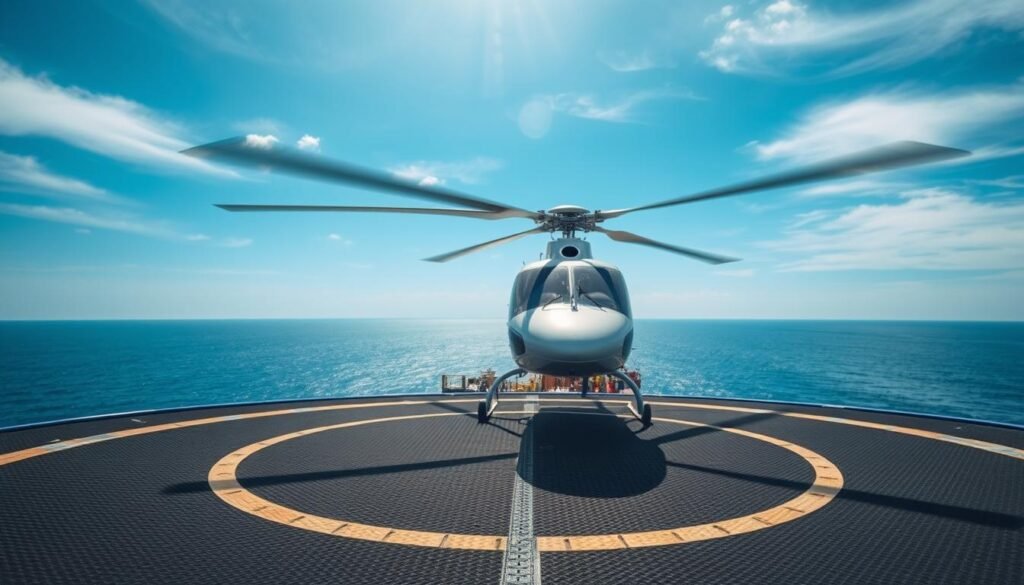
Passengers commonly board with rotors running. Teams communicate with ATC and platform radios on separate frequencies to manage arrivals and departures. Typical tempo is 1–4 sorties per day, averaging about 1 hour 15 minutes per leg.
Core Skills Employers Expect In The United States
Key skills include instrument proficiency, strong CRM, and clear radio technique. Employers value stable deck approaches, reliable missed-approach execution, and strict checklist discipline.
- Route and fuel planning against current weather and NOTAMs.
- Deck landing technique and adaptation to sea-state conditions.
- Multi-crew coordination, mentorship, and simulator training such as AW139 scenarios.
| Operation Element | Typical Action | Frequency | Training/Tool |
|---|---|---|---|
| Preflight Brief | Weather, NOTAMs, payload & fuel cross-check | Every sortie | Company SOPs |
| Boarding | Rotors running; immersion suits on | Every offshore leg | Deck procedures |
| Communications | ATC and platform radios on separate freqs | Continuous | CRM training |
| Skill Building | Simulator and deck landing practice | Regular | AW139 simulator |
Fatigue controls and regulated flight-time limits keep operations safe. New pilots progress quickly in multi-crew environments under structured feedback and focused mentorship.
Entry Requirements, Licenses, And Hours Needed
Entry standards combine certification, documented experience, and simulator proficiency before a candidate joins line operations. Clear records and recent currency speed hiring decisions for roles that demand IFR and low‑visibility competence.

From PPL(H) To CPL(H) To Instrument Rating
Candidates typically build from a private license to a commercial license, then add an instrument rating. This sequence creates the baseline legal requirements and the instrument skills needed for IFR routes common in marine work.
When And Why To Pursue The ATP For Larger Aircraft
An ATP becomes valuable for those targeting larger aircraft types and complex systems. It signals advanced systems knowledge and readiness for command responsibilities in high‑demand operations.
Multi‑Crew, Night, And Weather Experience Benchmarks
Employers weigh quality and recency of hours heavily. Documented multi‑crew time, night currency, and recent instrument training show a low‑risk, training‑ready profile.
“Consistency of hours and simulator‑verified emergency handling often outweighs raw totals on hiring boards.”
| Requirement | Typical Threshold | Why It Matters | Training Focus |
|---|---|---|---|
| License Progression | PPL → CPL + IR | Legal and IFR capability | Instrument procedures |
| Flight Hours | Varies by operator (recency weighted) | Proves experience and currency | Multi‑crew scenarios |
| Advanced Cert | ATP for larger types | Command readiness | Systems and performance |
| Simulator Training | LOFT & emergency checks | Safe line transition | Abnormal procedures |
Training Pathways And The Fastest Way To Build Time
Focused training routes help early-career aviators turn flight hours into hireable experience. Many choose structured roles that mix line flying and recurrent instruction for steady gains.
Starting As A Flight Instructor To Accrue Hours
Flight instruction is the most direct path for building time while reinforcing fundamentals. A CFI role sharpens communication, emergency handling, and teaching skills that employers value.
Tourism And ENG As Seasonal Or Steady Time‑Building Options
Tourism gigs offer high-visibility VFR flying with pay from roughly $45,000 up to $80,000 in busy markets. ENG positions typically start near $50,000–$60,000 and can reach $80,000–$90,000 with experience.
Transitioning From CFI To Offshore Utility Operations
After logbook milestones, a pilot can move into utility lines that require instrument, night, and overwater experience. Pay at entry ranges about $45,000 and climbs to $80,000–$110,000 as ratings and multi-crew time accumulate.
- Many helicopter pilots begin as instructors to build hours efficiently and teach solid technique.
- Choose operators with strong SOPs, recurrent checks, and mentorship for safer time building.
- Use simulator sessions to supplement line flying before stepping into multi‑crew operations.
“Consistent, mentored flying converts raw hours into a credible operational profile.”
For a practical guide on early training and a cost comparison of programs, see a step-by-step overview at how to become a helicopter pilot and a schools comparison at training costs comparison.
Daily Operations, Safety, And Decision‑Making Offshore
A structured morning brief often sets the tempo for safe, efficient transfers between shore and rigs.
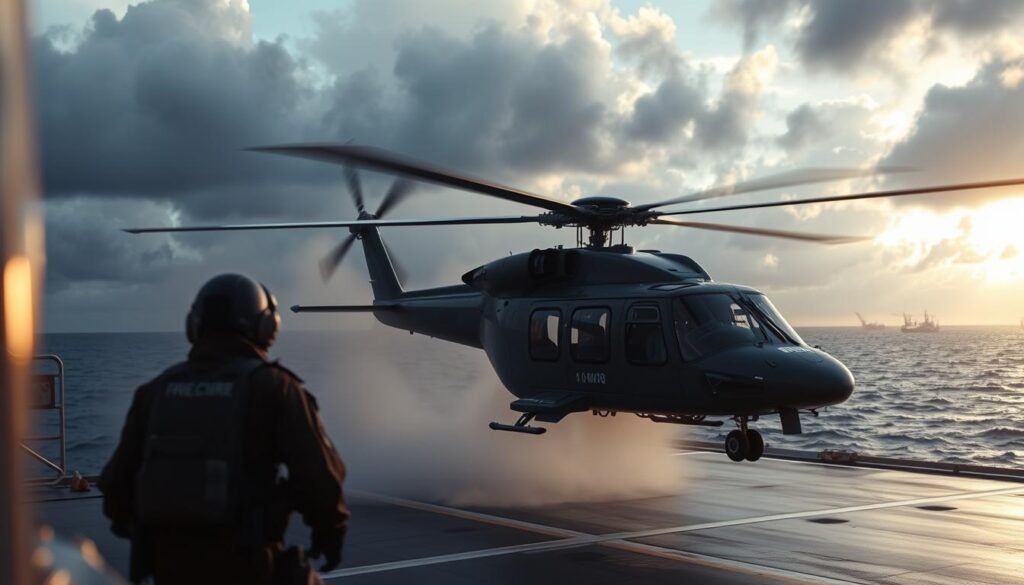
Standard preflight begins at least one hour before departure. Crews receive onshore and offshore weather, NOTAMs, and payload manifests. Teams verify fuel needs and order fuel as required.
Preflight: Weather, NOTAMs, Payload, And Fuel Planning
The crew validates performance margins and alternates. Both pilots cross‑check calculations and sign off on fuel and payload limits. Immersion suits and life jackets are donned before final boarding checks.
Deck Landings, ATC Coordination, And Platform Comms
Deck approaches require stabilized profiles and precise power management. Crews talk with ATC for controlled airspace and with platform radios for deck status, wind, and helideck briefs. Passengers often board with rotors running for quick turnarounds.
North Sea Lessons Applied To U.S. Gulf And Atlantic Operations
Rigorous checklists, simulator emphasis such as AW139 sessions, and conservative weather minima help reduce risk. These practices transfer directly to Gulf and Atlantic operation planning and training.
Emergency Preparedness And Immersion Suit/Life Jacket Protocols
Emergency drills cover ditching, raft use, and rapid egress. Regular rehearsals keep the team sharp and compliant with life‑saving protocols.
| Element | Typical Action | Frequency | Tool/Focus |
|---|---|---|---|
| Preflight Brief | Weather, NOTAMs, payload & fuel check | Every duty | Dispatch brief |
| Deck Ops | Stabilized approach & helideck brief | Each landing | Deck training |
| Emergency Drills | Ditching and egress practice | Regularly scheduled | Simulator & hands‑on |
| Turnaround | Walk‑around and rotors‑running boarding | 1–4 flights/day | CRM cross‑check |
“A pilot’s decision‑making balances mission need with evolving weather and sea‑state, always prioritizing safe diversion triggers.”
Schedules, Duty Limits, And Lifestyle Considerations
Flight tempo and roster structure shape both operational throughput and the personal rhythms of life on base. Crews fly between one and four flights per day, with an average leg of about one hour and fifteen minutes.

Typical Flight Counts, Leg Durations, And Standby Days
Annual utilization commonly sits near 500 hours, though some months fall to roughly 40 hours due to maintenance or weather. Standby days are routine and crews must remain ready when windows open.
Duty limits and rest policies guard against fatigue. Companies follow flight time and duty limitation rules and add local SOPs for extra margin.
| Metric | Typical Value | Impact |
|---|---|---|
| Daily Flights | 1–4 sorties/day | Predictable tempo, variable launch windows |
| Average Leg | ~1 h 15 min | Quick turnarounds, steady rhythm |
| Annual Hours | ~500 hours/year | Balanced utilization over years |
| Standby | Multiple days per rotation | Requires readiness and flexibility |
Work cohesion between ops, maintenance, and flight crews helps on‑time performance. Good onboarding that clarifies rotation length and standby expectations boosts job satisfaction.
“Clear limits and disciplined rest cycles preserve alertness and long-term wellbeing.”
For related operational challenges and emergency readiness, see emergency operations challenges.
Salaries, Benefits, And Career Progression
Earnings and benefits vary widely across roles, but clear milestones mark higher pay and leadership access. This section compares starting figures and long-term progression for common tracks in the United States.

Starting Pay Versus Experienced Compensation
Entry-level pay for offshore and utility work typically starts around the mid-$45,000s. With steady hours and recurrent training, many earn $80,000–$110,000 as responsibilities grow.
Specialized tracks differ: EMS and law enforcement can begin higher and scale to six figures. Tourism, ENG, and instruction show wide ranges based on market and season.
How ATP, Type, And Operation Complexity Influence Pay
Operators pay premiums for ATPs, type experience, and proven IFR, night, and overwater skills. Complex missions and larger aircraft command higher rates and bonuses for standby or surge work.
Paths To Command And Mentorship Roles Over The Years
Typical progression runs from co‑pilot to PIC, then to instructor, check airman, or base lead. Advancement favors those who maintain currency, mentor others, and support safety programs.
| Role | Starting Range | Experienced Range | Notes |
|---|---|---|---|
| Offshore/Utility | $45,000+ | $80,000–$110,000 | Type and multi‑crew time raise pay |
| EMS / Law Enforcement | $60,000–$70,000 | $150,000–$175,000+ | High risk, high reward |
| Tourism / ENG / Agriculture | $45,000–$60,000 | $80,000–$130,000 | Season and market dependent |
“Operators reward pilots who show reliable decision‑making, systems knowledge, and consistent line performance.”
Benefits often include per diems, housing during rotations, training stipends, and standard health coverage. For a deeper salary breakdown, see this salary landscape overview.
Related Helicopter Careers And How They Compare
Different segments of the aviation world offer clear contrasts in pay, schedule, and mission risk.
EMS, Firefighting, And Law Enforcement Risk‑Reward Profiles
EMS roles start near $60,000–$70,000 and can grow toward $150,000 with experience.
They demand night and weather proficiency and carry high public impact during emergency responses.
Firefighting often begins around $80,000–$90,000 with ATP‑level pay >$175,000 for senior crews.
Seasonal spikes and intense conditions require top‑tier airmanship and high risk tolerance.
Law Enforcement starts near $60,000–$70,000 and can reach $175,000 in specialized units.
Agencies add background checks and mission‑specific training for patrol and SAR duties.
Corporate, Agriculture, And ENG For Stability Or Variety
Corporate work can pay from $60,000 to $175,000+, offering modern fleets and stable schedules.
Agriculture and ENG roles range widely: agriculture may reach $110,000–$130,000, while ENG typically sits $50,000–$90,000.
These paths emphasize precision, obstacle management, and predictable city‑based support missions.
Where Offshore And Utility Fit In The Broader Industry Map
Offshore and utility work sits centrally for logistics and support, blending multi‑crew structure, IFR skills, and deck operations.
“Pilots should weigh mission risk, environment, and career growth when selecting a path.”
| Sector | Starting | Experienced | Notes |
|---|---|---|---|
| EMS | $60k–$70k | Up to ~$150k | Emergency focus; night/weather ops |
| Firefighting | $80k–$90k | ATP > $175k | High risk; seasonal peaks |
| Law Enforcement | $60k–$70k | Up to $175k | Patrol, SAR, agency quals |
| Corporate | $60k+ | $175k+ | Top pay; limited crew size |
| Agriculture / ENG | $50k–$60k | $80k–$130k | Precision work; steady regional demand |
Summary: Conditions, duty rhythms, and emergency exposure vary widely across sectors. Understanding world market demand helps candidates position their skills for sustained support and growth.
For further reading on sector choices and long‑term prospects, consider this overview of the best industries for helicopter pilots.
How To Get Hired: Resumes, Networking, And Interviews
Fast hires usually follow a mix of precise networking, association visibility, and realistic sim prep.
Resume Focus: Build a concise CV that highlights instrument proficiency, night currency, deck landing training, and overwater procedures. Align entries with the target company’s SOPs and list verifiable totals for IFR, night, and overwater time.
Leveraging LinkedIn, Associations, And Flight Schools
Use LinkedIn to contact recruiters and chief pilots with targeted messages. Strategic outreach has led to rapid interviews and hires, such as a two-week NHV North Sea placement.
Join associations like BWPA and Elevate Her for mentorship and peer support. Flight schools provide connections, mock sim sessions, and routes into industry-focused roles.
Company Research, Simulator Prep, And Technical Interview Tips
Research the company fleet, maintenance culture, and recent operations before interviews. Demonstrating knowledge of these areas scores well in technical panels.
Prepare the simulator by practicing AW139 profiles, abnormal checklists, CRM, and stabilized approaches. Expect interview questions on weight‑and‑balance, fuel/alternate planning, and weather decision making.
| Preparation Area | Key Focus | How To Show It |
|---|---|---|
| Resume | Instrument, Night, Overwater | Clean logbook totals and SOP‑aligned entries |
| Networking | LinkedIn & Associations | Targeted outreach; association referrals |
| Simulator | IFR Profiles & Abnormals | Mock sessions with instructors |
| Interview | Technical Scenarios | Scenario answers that show checklist discipline |
Tip: Present polished logbooks and coordinate with schools for sim validation. For leads and employer research, consult a list of top companies hiring helicopter pilots that often recruit through direct outreach and schools.
Final Thoughts
This final summary ties training milestones and line experience to steady advancement across multi‑crew aircraft.
Structured training, clear hours goals, and focused recurrent sessions give a reliable path for a helicopter pilot aiming for command. Practical skills — route planning, fuel and payload math, and conservative weather decisions — anchor safe line performance.
Strong logbook discipline and interview readiness convert training into a pilot job offer. Pilots who invest in systems knowledge, simulator time, and mentorship stand out for promotion and leadership within operations and the wider industry.
With persistence and a focused plan, a career in these maritime support flights becomes a durable opportunity across U.S. coastal regions and around world contexts.